
Instructor Spotlight: Lynn Lin, PhD
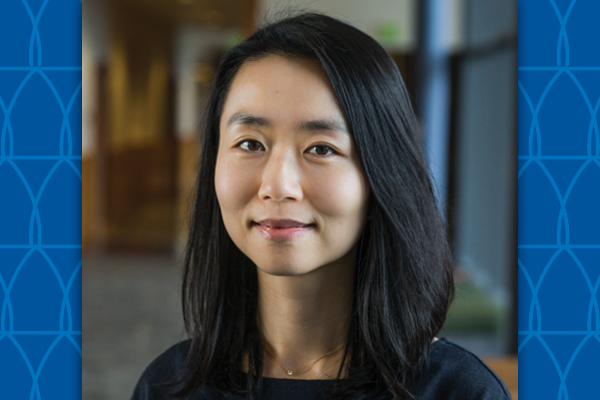
Lynn Lin, PhD, brings a passion for connecting statistical theory with real-world biomedical applications to the Duke Master of Biostatistics program. As an expert in statistical and computational methods for complex data, particularly high-dimensional and multi-omics studies, Lin teaches BIOSTAT 701 and 724. In the classroom, she emphasizes both technical rigor and creative problem solving, encouraging students to approach challenges with curiosity and confidence.
Could you share a bit about your background and what led you to the field of biostatistics/bioinformatics?
I trained as a statistician and became fascinated by applying quantitative methods to biomedical problems. Biostatistics and bioinformatics offered a natural bridge between rigorous theory and meaningful applications in medicine and public health.
What is your current research or professional focus outside of teaching?
My research develops statistical and computational methods for complex biomedical data, with a focus on high-dimensional and multi-omics studies. I’m interested in approaches that are rigorous, interpretable, and directly useful in collaborations with scientists and clinicians.
What do you most enjoy about teaching this/these courses?
I enjoy seeing students build confidence as they move from learning core ideas to applying methods in real analyses. Their energy and curiosity make teaching both courses very rewarding.
What are the key skills or concepts you hope students will take away from them?
I hope students leave with strong technical skills and, just as importantly, a mindset that values both rigor and creativity.
Are there particular projects, examples, or applications that students tend to find especially meaningful or exciting?
Students often find projects with real-world data most engaging. Working with data from clinical studies or public health research helps them see how statistical methods connect directly to improving health outcomes.
What do you enjoy most about working with Duke MB students?
I value Duke MB students’ curiosity and drive. They come from diverse backgrounds and bring fresh perspectives, which makes classroom discussions and collaborations both engaging and rewarding.
How do you see students grow or change as they move through your course and the program?
As students progress, I see them grow in confidence — learning to handle complex data, communicate technical ideas clearly, and think more independently.
What advice do you give students for getting the most out of your class?
Be bold in asking questions and to embrace challenges, since those experiences often lead to the most meaningful learning.
What is something students might be surprised to learn about you?
I entered college through a nontraditional path. I didn’t take any national entrance exams, only a few interviews.
What do you enjoy doing outside of teaching and research?
I enjoy cycling and hiking, as well as spending time with my family and exploring new board games with my kids.