
Understanding Recovery: Research Shows How Patients Bounce Back After Transplants
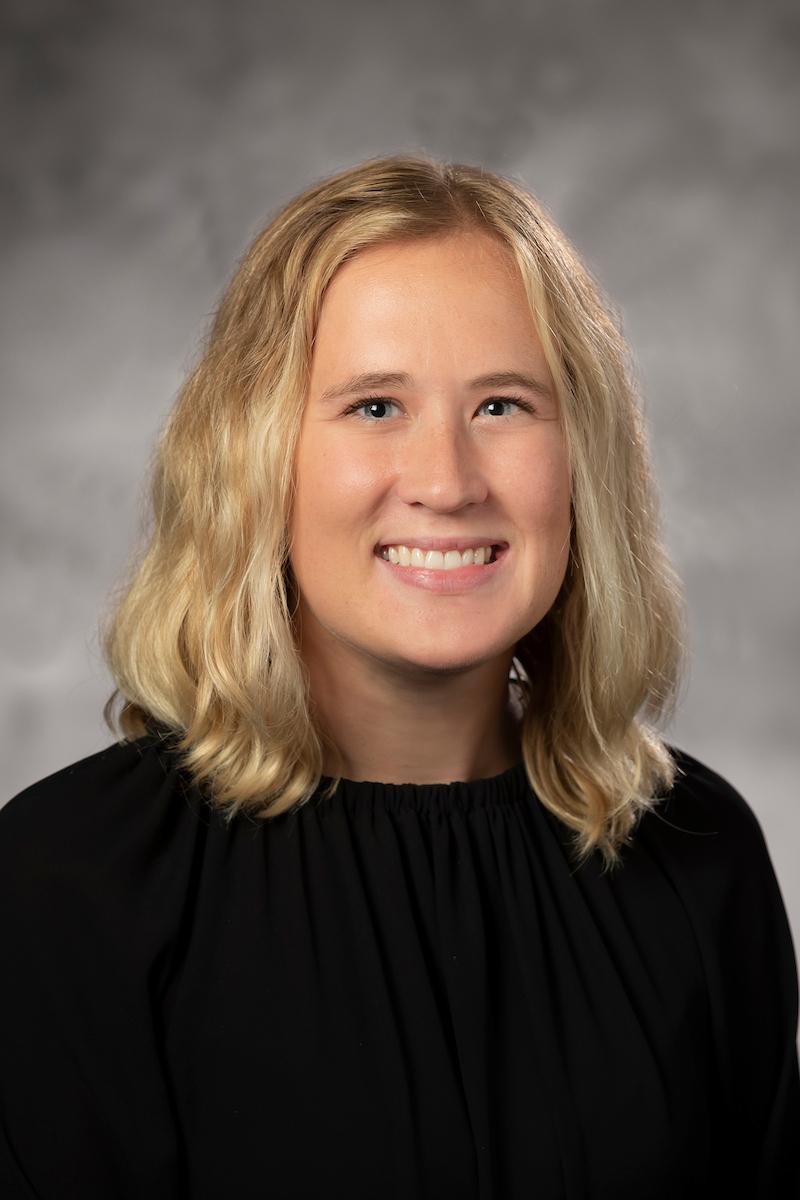
As part of the Duke Master of Biostatistics program, graduate Delaney Underwood, MB, completed a major research project studying how patients recover after a type of treatment called a hematopoietic stem cell transplant (HSCT). Although this intensive procedure can save lives, the recovery process looks significantly different from one patient to another.
Delaney worked with data from 300 patients treated at Duke’s Adult Bone Marrow Transplant Clinic. For each patient, researchers measured nine different aspects of health—such as physical ability, cognitive function, and overall quality of life—at five time points over the year following their transplant. Her goal was to measure “functional resilience,” meaning how well and how quickly patients bounce back physically and mentally after transplant. Understanding this resilience is important because a patient’s ability to maintain and regain function post-transplant can shape their long-term health and quality of life.
To do this, she used advanced statistical methods that help researchers make sense of long-term data, even when immense amounts of data are missing or when patients don’t survive the full study period.
Her findings showed that different aspects of recovery follow different patterns. For example, physical abilities often drop sharply right after the transplant but slowly improve over time. In contrast, most patients’ cognitive function stays about the same throughout the recovery period. Even patients who are clinically similar experienced different recovery patterns, highlighting the complexity of post-transplant recovery.
This project highlights the strong training Duke biostatistics students receive—from cleaning and preparing data to using complex models to understand real-world health problems. It also shows how students work directly with doctors and researchers to contribute to important medical discoveries.
“This project allowed me to apply advanced longitudinal modeling techniques to real clinical data, addressing the complexities of recovery that patients experience after stem cell transplantation. Working with Duke clinicians and biostatistics faculty gave me hands-on experience tackling real-world data challenges while contributing to meaningful clinical research.”