

MMCI alum Durga Borkar wins Emerging Leader Award
Durga S. Borkar, MD, MMCi’21, has been named a recipient of a 2026 Emerging Leader Award by the Duke Medical Alumni Association in recognition of her exceptional impact at the intersection of vitreoretinal surgery, clinical data science, and health‑technology innovation.
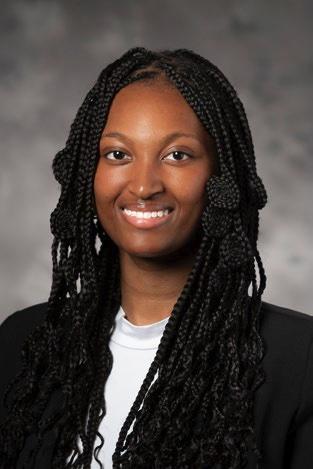
Zada Tiimod wins travel award
Zada Tiimod, a second-year master of biostatistics student, has been selected as a recipient of a travel award to attend the Spring 2026 meeting of the Council for New and Emerging Statisticians (CENS) at Eastern North American Region (ENAR). The award, from CENS and the American Statistical Association Biopharmaceutical Section, highlights her growing leadership in the statistical community and her academic and leadership achievements.

Richard Doty Defends Dissertation
Biostatistics doctoral student Richard Doty successfully defended his dissertation, “Modeling, Analysis, and Interpretation of High-Throughput Genomic Perturbation Assays” on Wednesday, April 1, 2026. His advisor was Andrew Allen, PhD.

Elaona Lemoto Defends Dissertation
Biostatistics doctoral student Elaona Lemoto successfully defended her dissertation, “Bayesian Hierarchical Models for the Combination of Data from Heterogenous Sources,” on Friday, March 20, 2026.
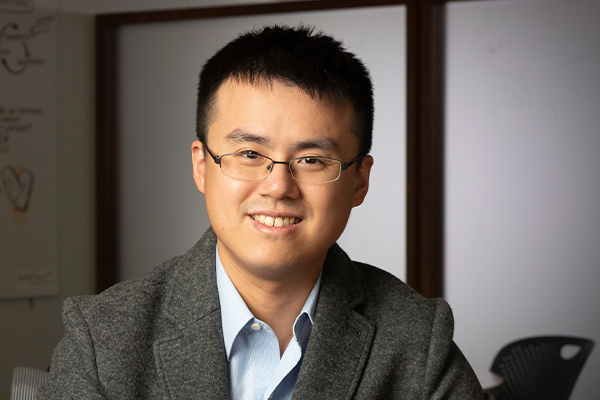
Zhang receives Leo Breiman Junior Award
Anru Zhang, PhD, has received the 2026 Leo Breiman Junior Award from the Section on Statistical Learning and Data Science of the American Statistical Association . The award recognizes the significant impact of his work in statistical learning and data science.
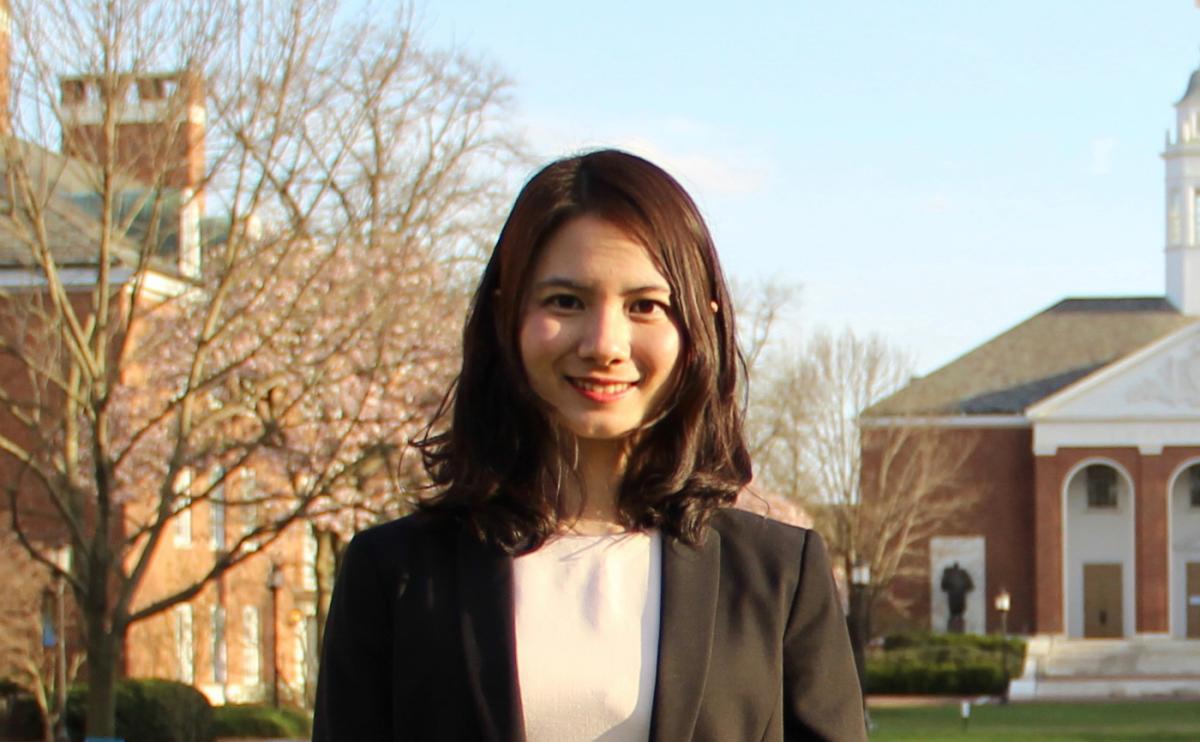
Meet Wenpin Hou, PhD
Wenpin Hou, PhD, received a PhD in mathematics from the University of Hong Kong and was a postdoctoral fellow in the Department of Biostatistics and Department of Computer Science at Johns Hopkins University.

The hidden risks of asking AI for medical advice
While AI chatbots can deliver quick answers, their context-blind accuracy may mislead patients in dangerous ways.

Zhang recognized for teaching excellence
Anru Zhang, PhD , Eugene Anson Stead Jr., MD, Associate Professor of Biostatistics and Bioinformatics, received recogniti

Discovery AI ramps up at Duke
Duke University School of Medicine has launched Discovery AI, an ambitious research initiative that aims to accelerate the application of artificial intelligence (AI) and machine learning to discovery science in biomedicine.

Zhuoran Hou Defends Dissertation
Biostatistics doctoral student Zhuoran Hou successfully defended his dissertation, “ Biases in Association Studies and Heritability Estimation for Structured Populations,” on Monday, January 12, 2026.